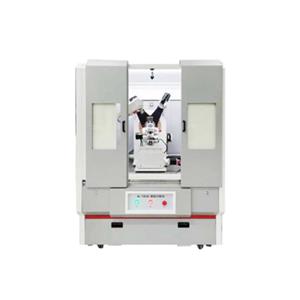
Why Industrial X-Ray Inspection Is the Non-Negotiable Standard for Material Quality Control
In modern manufacturing, the integrity of raw materials and core components isn't just a technical detail—it's the very foundation of product reliability and safety. A tiny internal crack or porosity that goes undetected during production can later lead to catastrophic failure under stress, costing not only money but also reputation.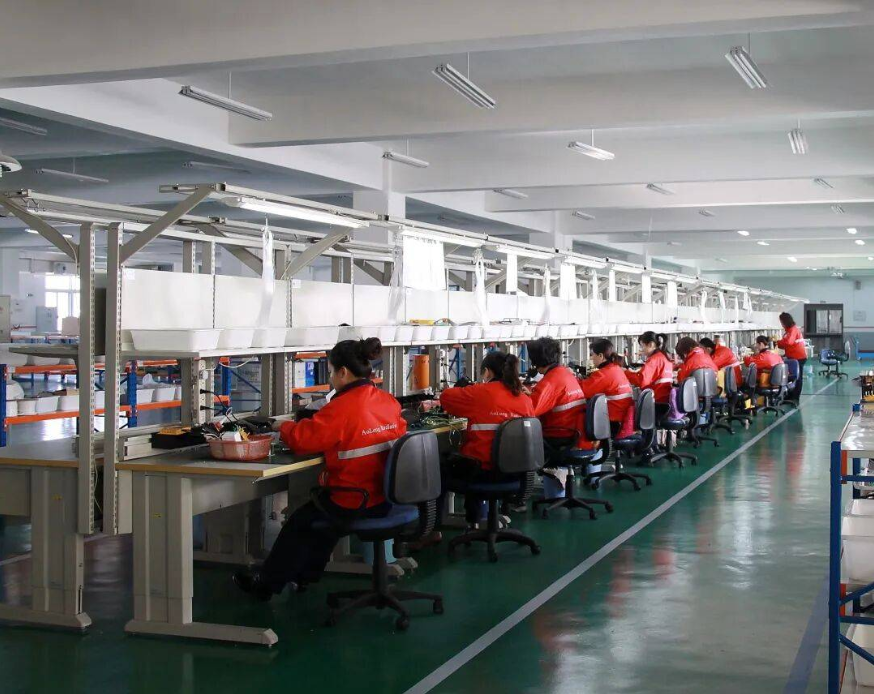
Traditional quality control methods—manual sampling, mechanical cutting, and microscopic checks—have long been the industry norm. Yet they are slow, destructive, and fundamentally limited. They miss what lies beneath the surface, leaving mass-produced parts with hidden defects that are nearly impossible to trace after shipping.
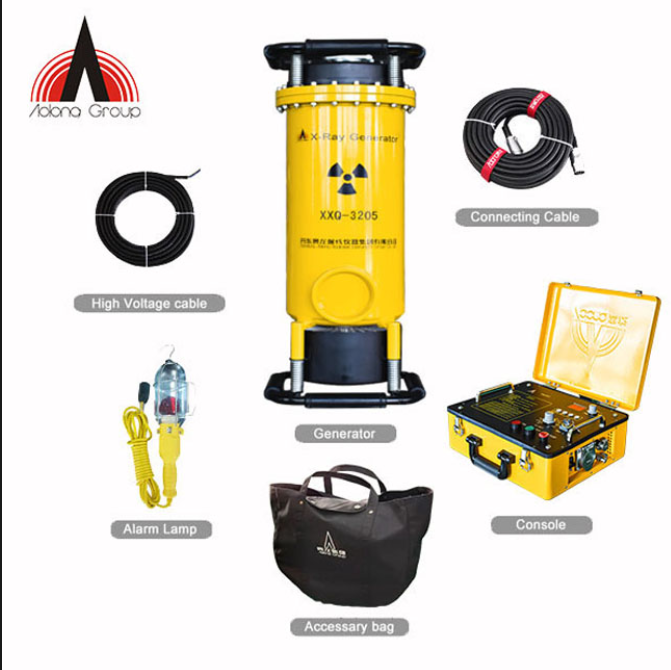
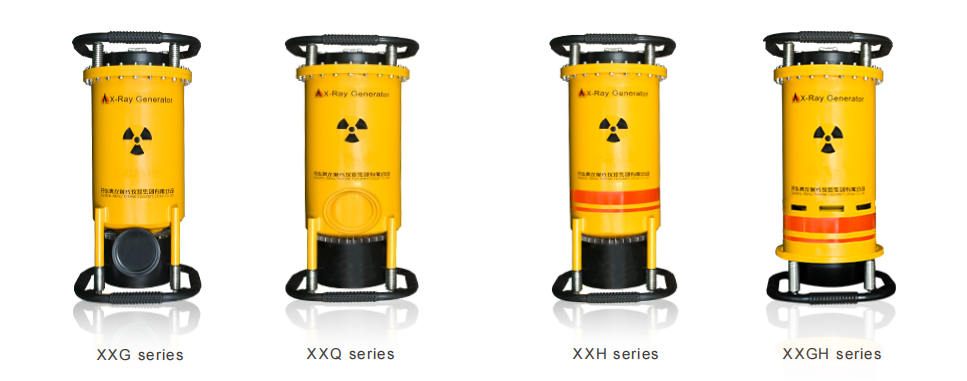
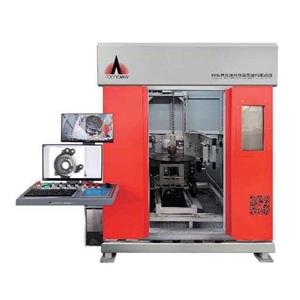
That’s why more and more manufacturers are turning to our industrial X-ray inspection system as their primary screening tool.Unlike physical sectioning, X-ray inspection works without contact or damage. By exploiting the differential absorption of X-rays through different materials, it delivers full-volume, high-definition imaging of metals, composites, and finished parts-revealing internal anomalies that no caliper or microscope can catch.
What do we typically find?
Common internal defects include gas pores, shrinkage cavities, micro-cracks, slag inclusions, lack of fusion, and density variations. These flaws rarely show up on the surface, yet under high-temperature, high-pressure, or cyclic loading conditions, they become ticking time bombs. Our industrial X-ray inspection system not only locate and classify these defects but also measure their size and area with precision-giving you objective, quantifiable data for grading, sorting, and process improvement.
Smarter inspection, powered by AI
Modern industrial X-ray inspection system no longer relies solely on human interpretation. With built-in intelligent algorithms, our systems automatically flag non-compliant materials, rank defect severity, and produce standardized reports. This slashes manual intervention, minimizes human error, and keeps pace with the high-throughput demands of today's smart factories.
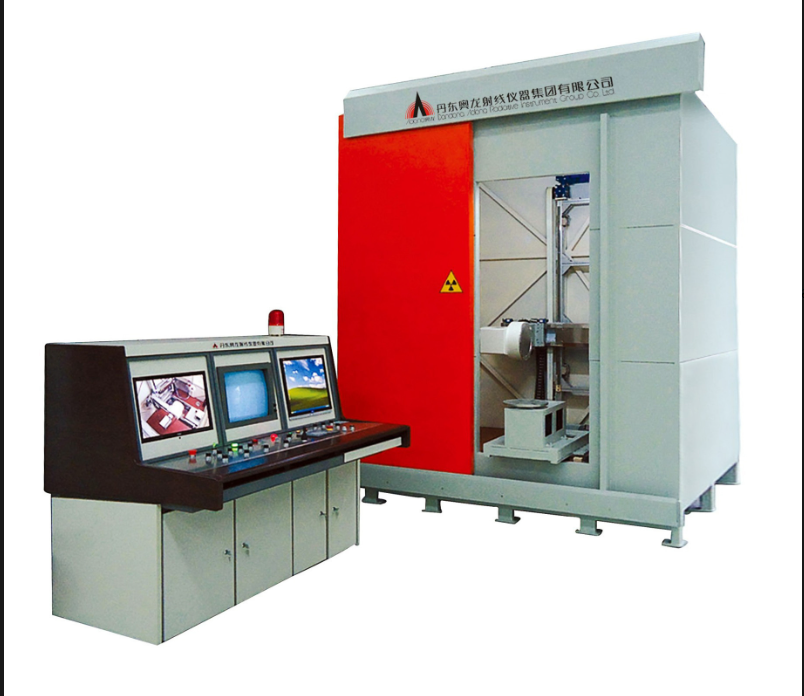
Proven across industries
From new energy batteries and precision hardware to aerospace structures, automotive components, and engineered plastics, X-ray NDT has become the go-to solution for ensuring batch-to-batch consistency and product integrity. It doesn’t just catch bad parts—it helps you identify upstream process weaknesses, reduce scrap rates, control costs, and sharpen your competitive edge.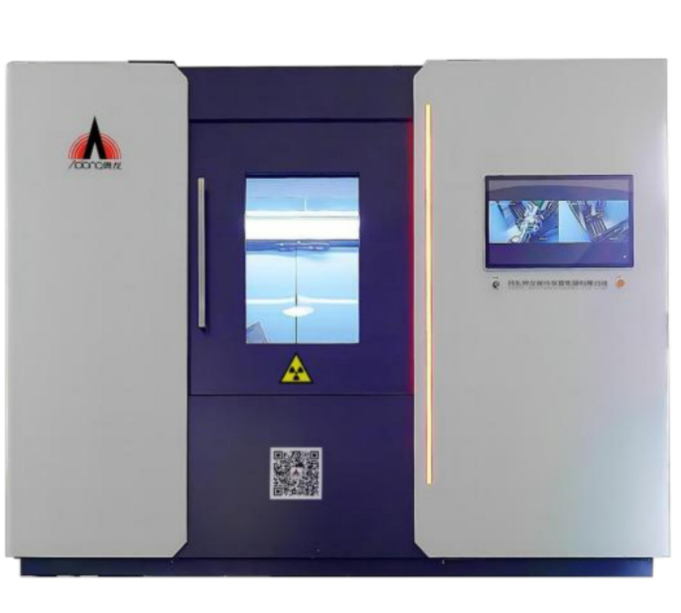
Looking forward
As micro-focus imaging and AI recognition continue to evolve, X-ray inspection is moving toward even finer resolution, faster throughput, and fully automated workflows. In the years ahead, it will be an indispensable pillar for any manufacturer committed to zero-defect production and long-term quality excellence.