What is Radiographic Testing (RT)? A Complete Guide to X-Ray NDT for Modern Manufacturing
In modern industrial manufacturing, product quality and operational safety are the core of enterprise development. With industrial structures becoming more complex, traditional visual inspection cannot detect hidden internal defects. Thus, non-destructive testing has become essential for quality control in heavy industry and precision manufacturing.
As a key method of non-destructive testing, Radiographic Testing (RT) uses X-ray and gamma ray penetration to inspect workpieces without damaging their structure or performance. It features intuitive imaging, accurate defect positioning and traceable results, serving as a standard internal quality control solution. This guide introduces RT principles, advantages, comparison with other NDT methods, industrial applications and supporting equipment.
What Is Radiographic Testing (RT)
RT is an important branch of non-destructive testing. It relies on X-ray and gamma ray penetration to pass through metal workpieces. Rays attenuate differently according to material thickness and internal defect density, forming clear images on film or digital systems.
Technicians can directly identify welding cracks, pores, slag inclusions and incomplete penetration from images. The whole process is non-destructive, efficient and traceable, meeting the needs of industrial inspection and export compliance.
Working Principle of RT
When rays penetrate a workpiece, dense sound material causes strong attenuation, while low-density defect areas allow more rays to pass through. The difference in ray intensity forms clear contrast on imaging equipment.
Unlike destructive testing, RT keeps workpieces intact for assembly and delivery. It is widely used in factory inspection, third-party supervision and special equipment certification.
Advantages of Radiographic Testing
Intuitive imaging: Defect shape, position and size are clearly displayed.
Non-destructive: No damage to workpieces, saving production cost.
Wide adaptability: Suitable for carbon steel, alloy steel, stainless steel, castings and welds.
Permanent records: Images can be stored long-term for traceability and export review.
High compliance: Meets international standards for export and project acceptance.
RT vs UT, MT, PT
The four mainstream non-destructive testing methods are RT, UT, MT and PT.UT is suitable for rapid screening of thick workpieces but lacks intuitive imaging. MT and PT only detect surface and near-surface flaws.
RT excels at internal defect detection, clear imaging and standardized records, ideal for thick-walled parts, key welds and complex castings. Manufacturers often combine multiple NDT methods for full-range quality control.
Industrial Applications of RT
RT is widely used in:Pressure vessel and boiler manufacturing, petrochemical pipeline engineering, steel structure and bridge construction, auto parts, aerospace and high-end equipment manufacturing.
It effectively removes hidden defects, avoiding fracture and leakage, ensuring stable equipment operation, and supporting special equipment export and compliance acceptance.
Key RT Equipment
With higher quality requirements, professional RT equipment is essential for factories and NDT providers:
Directional & Panoramic X-ray Flaw Detectors — For weld inspection of pressure vessels and steel structures.
X-ray Pipeline Crawler — For long-distance on-site pipeline weld detection.
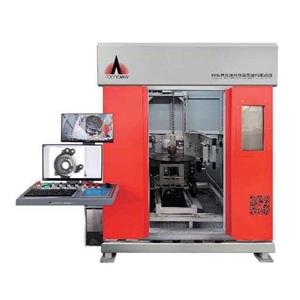
Digital X-ray Inspection System & Portable DR — Real-time imaging and data storage for batch production and field work.
Industrial CT — High-precision 3D defect analysis for precision castings and aerospace parts.
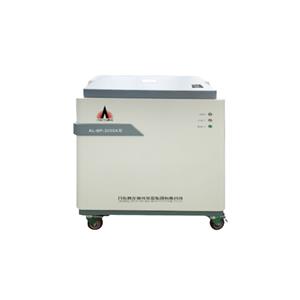
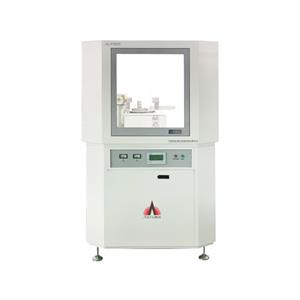
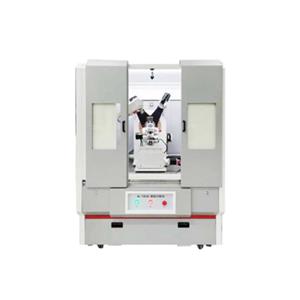
X-ray Fluorescence Spectrometer & X-ray Diffractometer — Material composition and structural analysis for full-process quality control.
All equipment delivers clear imaging, stable performance, easy operation and reliable radiation protection, suitable for factory batch inspection, laboratory testing and field operation.
Radiographic Testing (RT) is irreplaceable in modern non-destructive testing. With reliable principles, intuitive imaging and wide adaptability, it supports quality control, safe production and cross-border compliance. Choosing proper RT equipment helps manufacturers meet international standards and optimize inspection workflows.